The Mechanics of Las Vegas Player Loyalty Programs and Their Connections to Niche Table Game Variants
Katja Lehmann · Sep 12, 2026

The Mechanics of Las Vegas Player Loyalty Programs and Their Connections to Niche Table Game Variants
Las Vegas casinos operate player loyalty programs that track activity through electronic cards while awarding points based on time spent and amounts wagered at specific games, and these systems often include bonuses tied to participation in lesser-known table variants such as Ultimate Texas Hold'em or Spanish 21. Data from the Nevada Gaming Control Board shows that loyalty tiers determine access to comps including free play credits, hotel stays, and dining privileges, with higher levels requiring consistent play across both standard and niche offerings.
Points accumulation starts with base earning rates that differ by game type, whereas table games generally yield fewer points per dollar bet compared to slot machines, yet certain variants receive multipliers during promotional periods to encourage volume. Researchers at the University of Nevada, Las Vegas have documented how casinos adjust these multipliers to balance floor traffic, and September 2026 reports indicate increased focus on variants that maintain steady hold percentages while drawing repeat visitors through targeted rewards.
Core Structure of Points and Tier Systems
Most programs divide members into tiers that unlock escalating benefits, and entry-level status typically requires minimal play while elite levels demand tens of thousands of points earned over a calendar year. Points convert directly into rewards dollars that players redeem at kiosks or through host interactions, yet the conversion ratios vary by property and often favor table game activity during slower midweek shifts. Observers note that casino operators publish these structures on official sites and mobile apps, allowing members to monitor progress without additional fees.
Table minimums influence point generation because higher wagers accelerate tier advancement, while niche variants like Let It Ride or Pai Gow Poker sometimes carry distinct tracking codes that feed into separate bonus pools. Industry reports from the American Gaming Association reveal that these coded incentives help properties maintain utilization rates on games with slower turnover, and data collected through 2025 shows measurable upticks in play when loyalty members receive variant-specific free bet coupons.
Integration with Niche Table Game Variants
Casinos link loyalty mechanics to niche variants by assigning higher point multipliers to games that feature unique rules or side bets, and this approach draws players toward options they might otherwise overlook. For instance, a program might award double points on Caribbean Stud Poker during certain hours, which in turn feeds into tier qualification and unlocks additional perks such as tournament entries. Figures from the Nevada Resort Association indicate that such targeted promotions have sustained interest in these games even as overall table drop percentages fluctuate with economic conditions.
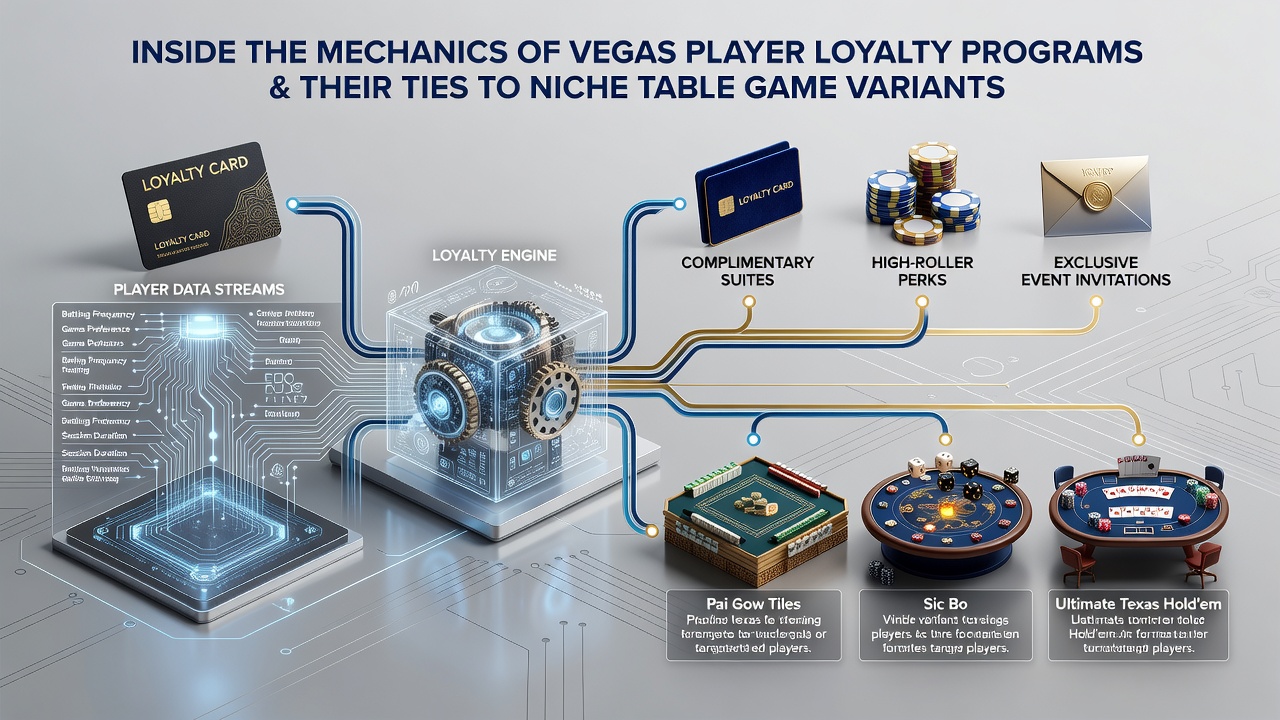
Electronic table systems record every hand and bet in real time, feeding data directly into the central loyalty database so that variant play registers instantly for point awards. Those who study casino operations point out that this integration allows properties to run segmented marketing campaigns, sending personalized offers that highlight specific games based on a member's historical activity. September 2026 updates from multiple Strip properties included expanded tracking for hybrid games that combine elements of blackjack and poker, further tightening the connection between loyalty progression and niche participation.
Regulatory Oversight and Data Tracking
Nevada state regulations require casinos to maintain accurate records of all loyalty transactions, and the Gaming Control Board conducts periodic audits to verify that point awards align with advertised rules. These audits cover both standard and variant-specific promotions, ensuring that players receive the benefits promised when they meet play thresholds. External research from the Canadian Institute of Gaming Studies has examined similar systems in other jurisdictions, finding parallel patterns where loyalty data informs game placement and staffing decisions.
Player information remains protected under privacy policies that limit data sharing, yet aggregated statistics help operators identify which variants generate the strongest engagement from loyalty members. Reports compiled through mid-2026 show continued investment in digital interfaces that let members view their variant play history alongside tier progress, reducing the need for manual inquiries at player services desks.
Conclusion
Las Vegas loyalty programs function through integrated tracking that rewards consistent play across both mainstream and niche table options, and the mechanics continue to evolve with regulatory updates and technological improvements. Data from official gaming bodies and academic sources confirms that variant-specific incentives remain a core strategy for maintaining floor balance and member retention throughout the year.