Seasonal Gaming Limit Adjustments Shape Spending Trends Across Las Vegas Casinos
Casey Simmons · Oct 10, 2026
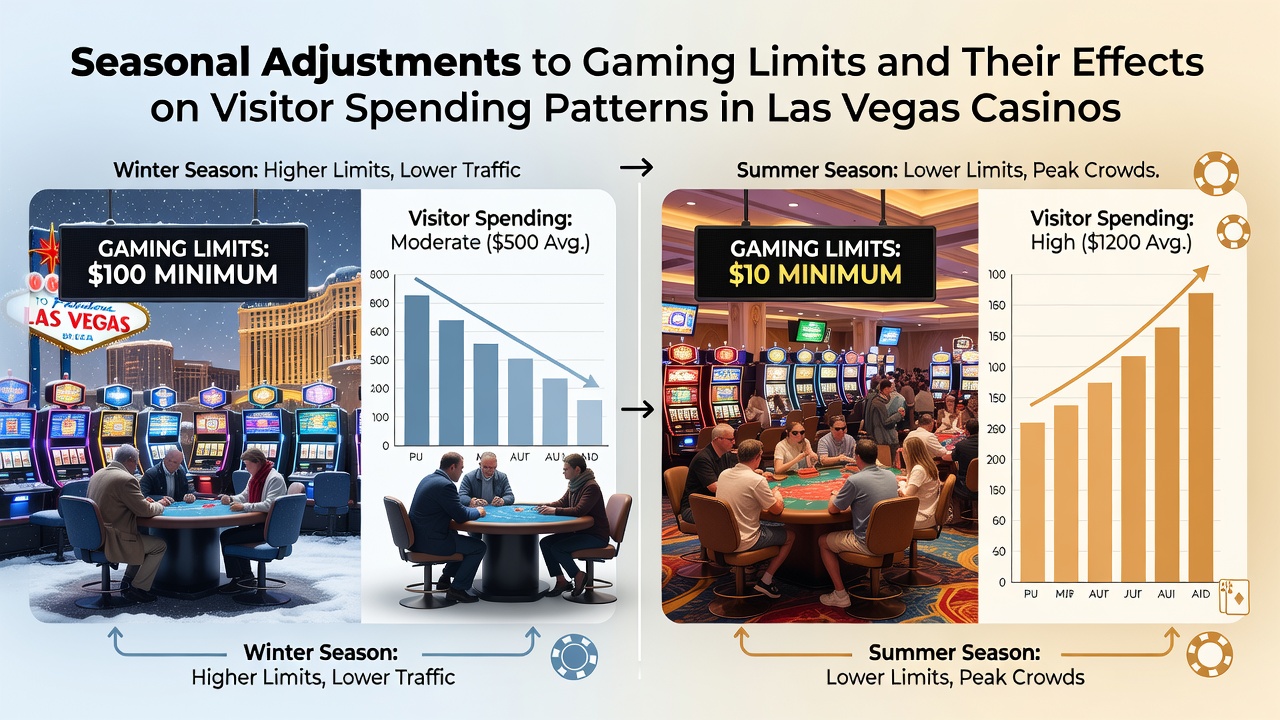
Seasonal Gaming Limit Adjustments Shape Spending Trends Across Las Vegas Casinos
Las Vegas casinos implement seasonal adjustments to gaming limits each year, and these changes align with visitor influx patterns that shift throughout the calendar. Data from the Nevada Gaming Control Board shows table minimums often rise during peak summer months while slot denominations expand in shoulder seasons, creating measurable differences in how visitors allocate their budgets across games. Researchers tracking these modifications note that spending per visitor tends to increase when limits accommodate higher-stakes play, yet the pattern reverses when restrictions tighten during slower periods.
Understanding Seasonal Limit Adjustments in Practice
Casino operators review historical occupancy figures and revenue reports before setting new minimums each quarter, and this process produces distinct thresholds for blackjack, roulette, and baccarat tables. During conventions and major sporting events, properties frequently elevate table minimums from $15 to $25 or higher, while slot floors introduce more progressive machines with elevated bet options. Observers note that these adjustments occur predictably around holidays and festival dates, allowing properties to match capacity with expected demand rather than maintaining static limits year-round.
One study from the University of Nevada, Las Vegas examined limit changes over multiple years and found that casinos adjust slot payout percentages and table spreads in tandem with tourism forecasts. When visitor numbers climb above average thresholds, higher limits encourage longer play sessions among those willing to wager more per hand. Conversely, lower minimums during slower months attract casual players who spend smaller amounts but contribute steady volume across more machines.
Visitor Spending Patterns Under Different Seasonal Conditions
Figures reveal that average daily gaming spend rises during high-limit periods because visitors who travel specifically for premium experiences concentrate their activity at elevated tables. Data indicates these guests often extend sessions when minimums match their preferred stake levels, producing higher total wagers per trip. In contrast, budget-conscious travelers respond to reduced minimums by spreading smaller bets across longer periods, which stabilizes revenue during off-peak windows without requiring the same high-roller concentration.

October 2026 brought a notable example when several Strip properties raised blackjack minimums ahead of the Formula 1 race and concurrent conventions. Reports showed that daily average spend per visitor increased by measurable margins at those casinos compared with the prior month, while nearby properties that kept limits steady experienced flatter growth. The American Gaming Association documented similar patterns in previous years, confirming that limit adjustments correlate with shifts in per-visitor expenditure across both table games and slot floors.
Regional Comparisons and Broader Industry Context
While Las Vegas leads in the scale of seasonal adjustments, observers compare these practices with operations in other gaming markets such as those overseen by the Alcohol and Gaming Commission of Ontario. Canadian facilities tend to maintain narrower minimum ranges year-round, producing steadier but less variable spending curves. Australian regulatory data from state gaming authorities likewise shows limited seasonal fluctuation in table minimums, which results in more consistent visitor spend distribution across quarters.
Within Nevada, casinos also track how limit changes affect ancillary spending on restaurants, shows, and hotel rooms. When gaming minimums rise, visitors who participate at higher levels often increase non-gaming purchases as well, according to internal property reports shared with industry analysts. Those who study these correlations point out that the relationship holds most strongly among repeat visitors who plan trips around known high-limit periods.
Effects on Different Visitor Segments
High-roller programs respond directly to seasonal limit increases because hosts can offer elevated table access as an incentive. Data shows these guests generate disproportionate revenue during peak windows, while mass-market visitors shift toward slot play when table minimums exceed their comfort range. Properties therefore balance both segments by staggering adjustment dates so that some areas maintain lower thresholds even as premium zones elevate stakes.
Research indicates that international visitors react differently than domestic travelers to these changes. European and Asian guests often seek higher-limit games during their peak travel seasons, whereas U.S. visitors show greater sensitivity to minimum fluctuations when planning shorter weekend trips. Casinos use this segmentation data to time promotional offers that offset any drop in participation when limits move upward.
Conclusion
Seasonal gaming limit adjustments continue to influence visitor spending patterns in measurable ways across Las Vegas properties. Evidence from regulatory filings and academic studies demonstrates consistent correlations between minimum changes and per-visitor expenditure, while comparisons with other jurisdictions highlight the distinct approach taken in Nevada. Properties that align limit schedules with tourism forecasts maintain revenue stability across both high and low periods, and the data from October 2026 reinforces the ongoing relevance of these operational decisions.