Loyalty Tiers Shape Access to Premium Casino Table Games
Katja Hoffmann · Aug 29, 2026
Loyalty Tiers Shape Access to Premium Casino Table Games
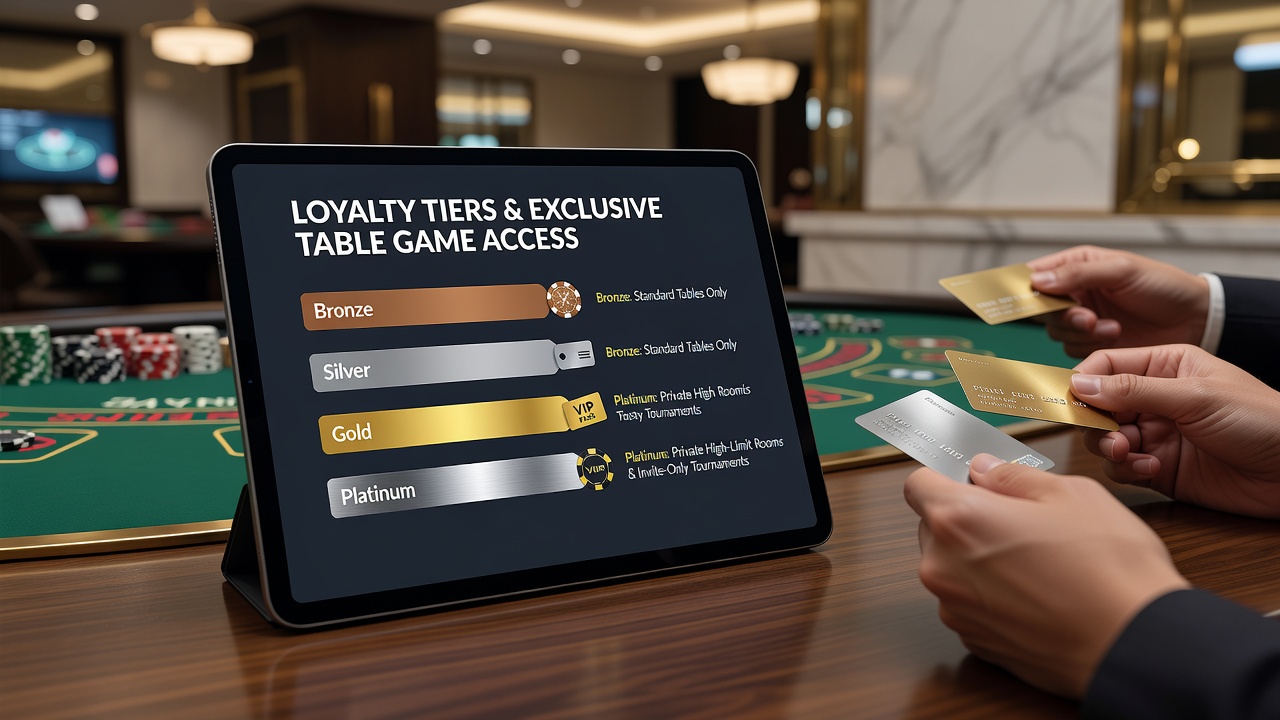
Casino loyalty programs operate through structured tier systems that track player activity and determine eligibility for restricted experiences, and these frameworks directly control entry to private table game salons featuring higher minimum bets along with specialized dealers and amenities. Data from major properties shows that lower tiers grant standard floor access while mid-level and elite statuses unlock invitation-only rooms where games like baccarat and blackjack run with elevated limits and reduced public visibility. Observers note that such segmentation allows operators to allocate premium resources based on historical spend rather than walk-up requests.
Structure of Typical Loyalty Tiers
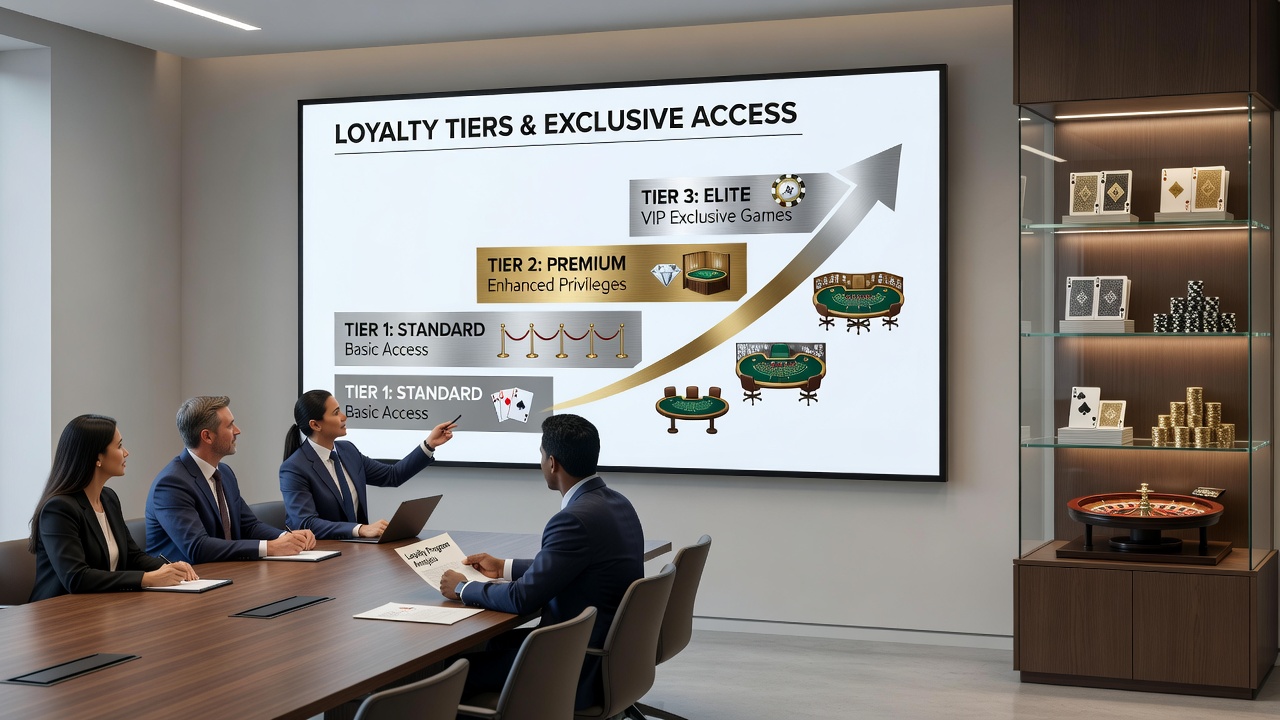
Most programs divide members into categories that progress from entry-level status through intermediate rewards and culminate in top-tier recognition, and each level requires specific point accumulation derived from slot play, table game wagers, or combined activity across multiple visits. Points convert into tier credits that reset annually, which means consistent engagement becomes necessary to maintain privileges. Researchers at institutions studying gaming economics have documented how these resets create seasonal surges in play volume as members work to preserve or advance their standing.
Entry tiers usually provide basic comps such as free play credits and standard room rates, whereas higher brackets add complimentary meals, event tickets, and dedicated hosts who arrange table reservations in advance. The transition points between tiers vary by property, yet common patterns show that reaching the second or third level often coincides with first-time access to semi-private gaming areas that maintain separate waitlists and security protocols.
Direct Influence on Table Game Availability
Exclusive table games remain physically separated from main casino floors in many large resorts, and loyalty tier status serves as the primary gatekeeping mechanism for these spaces. Mid-tier members may receive occasional invitations during slower periods, while elite players secure guaranteed seating through personal hosts who coordinate schedules months ahead. Figures released by the Nevada Gaming Control Board indicate that revenue from high-limit table games has grown steadily in properties where tier-based access has become more strictly enforced over recent years.
Game selection within these rooms often includes variants unavailable on the public floor, such as commission-free baccarat or speed blackjack tables with continuous shuffle machines, and access frequently bundles with benefits like waived minimums during off-peak hours or priority for progressive jackpot participation. Those who have studied player behavior patterns report that tier advancement correlates with increased average bet sizes once members gain entry to these controlled environments.
Regional Variations and Data Trends
Properties in different jurisdictions adapt tier structures to local regulations and market conditions, and August 2026 brought updated reporting from multiple oversight bodies that highlighted shifts in how access privileges are distributed. The American Gaming Association published summaries showing that tiered programs now account for a larger share of high-limit table game volume compared with earlier periods when walk-up play represented a greater percentage of activity. Similar observations appear in analyses from Canadian provincial regulators, where loyalty data helps track cross-border player movements between integrated resort properties.
Electronic systems now monitor play in real time and adjust tier benefits dynamically, which means a single large session can trigger temporary upgrades that include immediate table game access. This automation reduces manual intervention by hosts yet still requires verification of identity and tier status at entry points to restricted areas. Studies conducted through university gaming research centers have examined how these real-time adjustments affect player retention rates across different demographic segments.
Operational Considerations for Properties
Resorts allocate dedicated floor space and staffing for tier-exclusive tables based on projected membership numbers, and this planning involves forecasting point accumulation trends from historical data sets. Security teams coordinate with loyalty departments to confirm credentials before granting entry, while surveillance systems maintain separate monitoring protocols for high-limit areas. The process ensures compliance with internal policies that tie access privileges directly to documented play history rather than discretionary decisions.
Staff training programs emphasize consistent application of tier rules so that members receive predictable treatment regardless of shift or location, and this standardization supports the overall perception that advancement through the program reliably delivers enhanced experiences. Data indicates that properties maintaining transparent tier criteria experience higher renewal rates among active players who anticipate future access to exclusive offerings.
Conclusion
Loyalty tier systems function as structured mechanisms that allocate access to exclusive table games according to measurable player activity, and ongoing data collection from regulatory sources continues to document their expanding role within casino operations. Properties refine these programs through adjustments to point thresholds and benefit packages while maintaining compliance with jurisdictional requirements that govern both marketing practices and game availability. The connection between tier status and table game access remains a core element of modern casino design that influences revenue distribution and player movement patterns across properties.