Casino Floor Reconfigurations: Insights from Recent Layout Modifications in Major Resorts
Katja Lehmann · Nov 7, 2026
Casino Floor Reconfigurations: Insights from Recent Layout Modifications in Major Resorts
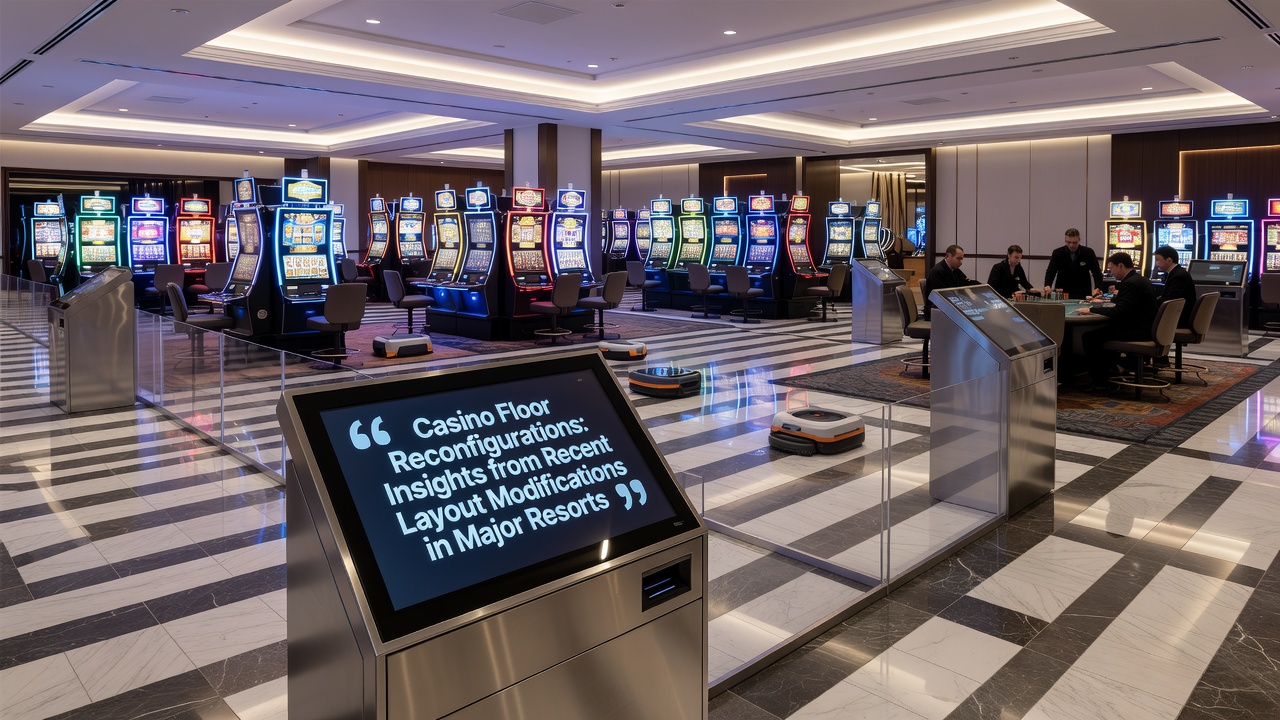
Resorts across Las Vegas and other gaming destinations have adjusted their floor plans in measurable ways over the past several years, and data from regulatory filings along with property reports document shifts in machine placement, table groupings, and pathways for guest movement. These modifications often respond to changes in player preferences, new game offerings, and efforts to integrate technology such as digital wayfinding and cashless systems. Observers note that properties track foot traffic patterns through surveillance and loyalty program data to guide where high-denomination slots or popular table games receive more prominent positioning.
Drivers Behind Recent Changes
Operators cite several measurable factors when they alter layouts. Revenue per available seat or machine has prompted moves that cluster similar games together while creating clearer walkways, and studies from industry groups indicate that reduced congestion correlates with longer average visit durations. In addition, the introduction of sports betting kiosks and new electronic table games has required dedicated zones that did not exist in earlier floor designs. Properties have also expanded non-gaming retail and dining pockets within former gaming space, a trend reflected in filings submitted to state regulators.
As of November 2026, several major properties continue to refine these arrangements based on post-pandemic visitor volume data. Reports show that resorts with updated configurations recorded shifts in slot handle and table drop that aligned with broader market recovery figures released by the Nevada Gaming Control Board.
Examples from Specific Properties
Take the Bellagio, where management consolidated high-limit slot areas closer to the main entrance while moving certain progressive banks toward the center of the floor. Similar adjustments occurred at Wynn Las Vegas, where table game pits were reoriented to improve sightlines from the sports book area. These moves followed analysis of carded play data that showed preferred pathways for high-value guests. Other resorts, including those on the Strip and in regional markets, have introduced hybrid zones that combine traditional reels with skill-based gaming terminals in the same bank.
One study released by researchers at the University of Nevada, Las Vegas examined how these layout tweaks affected time spent on the floor, and the findings indicated that strategic placement of popular titles near high-traffic corridors produced measurable increases in game participation rates. Properties in Atlantic City and Mississippi have applied parallel tactics, often citing local regulatory filings that track device movement and associated revenue changes.
Technology Integration and Data Use
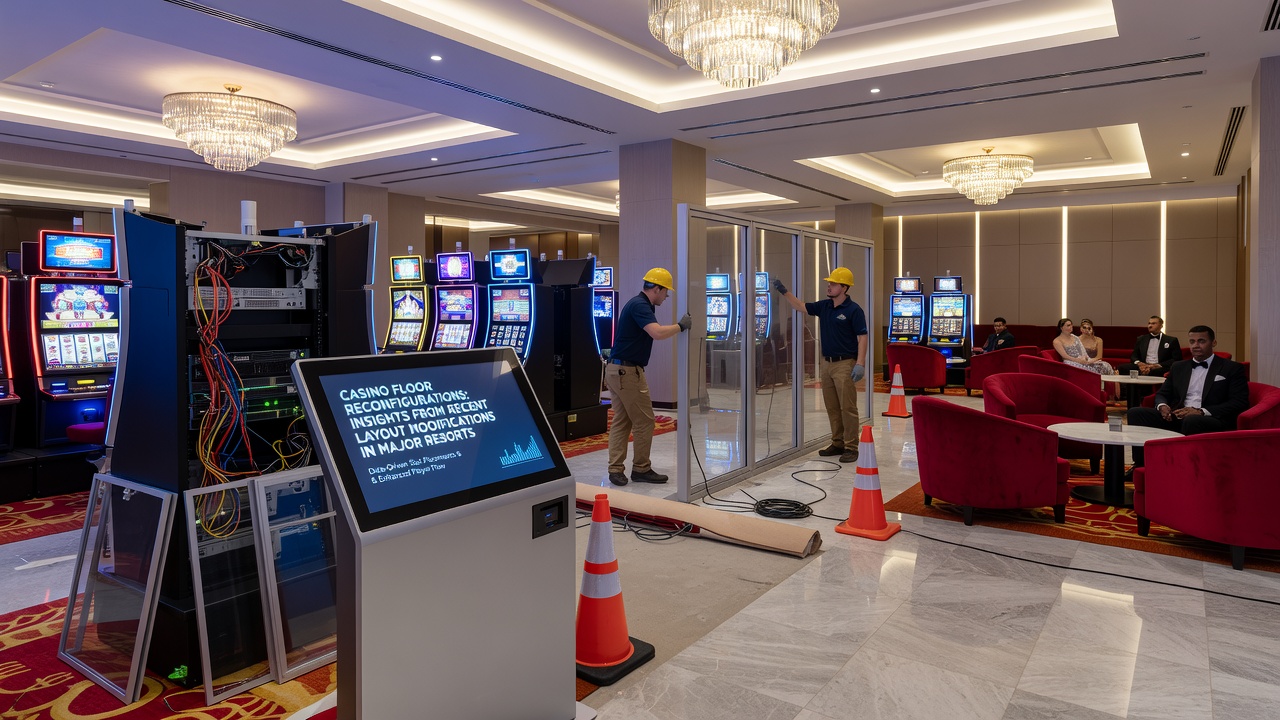
Modern reconfigurations frequently incorporate digital tools that were less common a decade ago. Mobile apps now guide guests to specific machines or table sections, while floor sensors feed real-time occupancy data to operations teams. Casinos have added more charging stations and USB ports near seating areas because player feedback collected through surveys showed demand for these amenities. In several cases, properties replaced older carousel-style slot arrangements with linear banks that allow easier access for wheelchairs and strollers, a change documented in accessibility compliance reports.
Data from loyalty programs helps identify which game types draw repeat visits, and operators use that information to decide whether to expand or shrink particular sections. The process often involves temporary test layouts that run for several months before permanent installation, allowing management to compare handle per unit across different configurations.
Regulatory and Industry Context
State gaming agencies require notification when device counts or floor plans change substantially, and these filings provide public records of the scale of recent modifications. Industry associations such as the American Gaming Association compile aggregate statistics that track overall device numbers and revenue categories, offering context for individual property decisions. International examples from Singapore and Australia show similar patterns where operators adjust layouts to accommodate new game categories while meeting local responsible gaming guidelines.
Researchers have also examined how environmental factors, including lighting levels and ceiling heights, interact with layout choices, and papers published in hospitality journals describe measurable differences in guest dwell time under varying conditions. These academic sources complement the operational data released by individual resorts.
Impact on Guest Experience and Operations
Visitors encounter wider aisles in many updated properties, a design choice that accommodates higher foot traffic during peak periods without creating bottlenecks. Dealers and slot attendants report that grouped machine placements can reduce response times for service calls, while pit bosses note improved visibility across reoriented table areas. Food and beverage outlets located within former gaming space benefit from increased visibility, and several properties have documented higher check averages in these integrated locations.
Staff training materials now include sections on navigating the revised floor plans, and security teams adjust camera coverage accordingly when sections are moved or consolidated. These operational adjustments appear in internal reports that are summarized in quarterly earnings releases for publicly traded operators.
Conclusion
Recent floor reconfigurations in major resorts reflect a combination of revenue analysis, guest behavior data, and regulatory requirements that continue to shape how gaming space is organized. Properties document changes through required filings and internal metrics, while academic and industry research provides additional context on outcomes. As operators evaluate results from modifications implemented through 2026, further adjustments remain likely in response to evolving game offerings and visitor patterns.