Behind the Curtain: How Tournament Structures in Poker Rooms Influence Player Retention at Off-Strip Venues
Casey Simmons · Nov 21, 2026
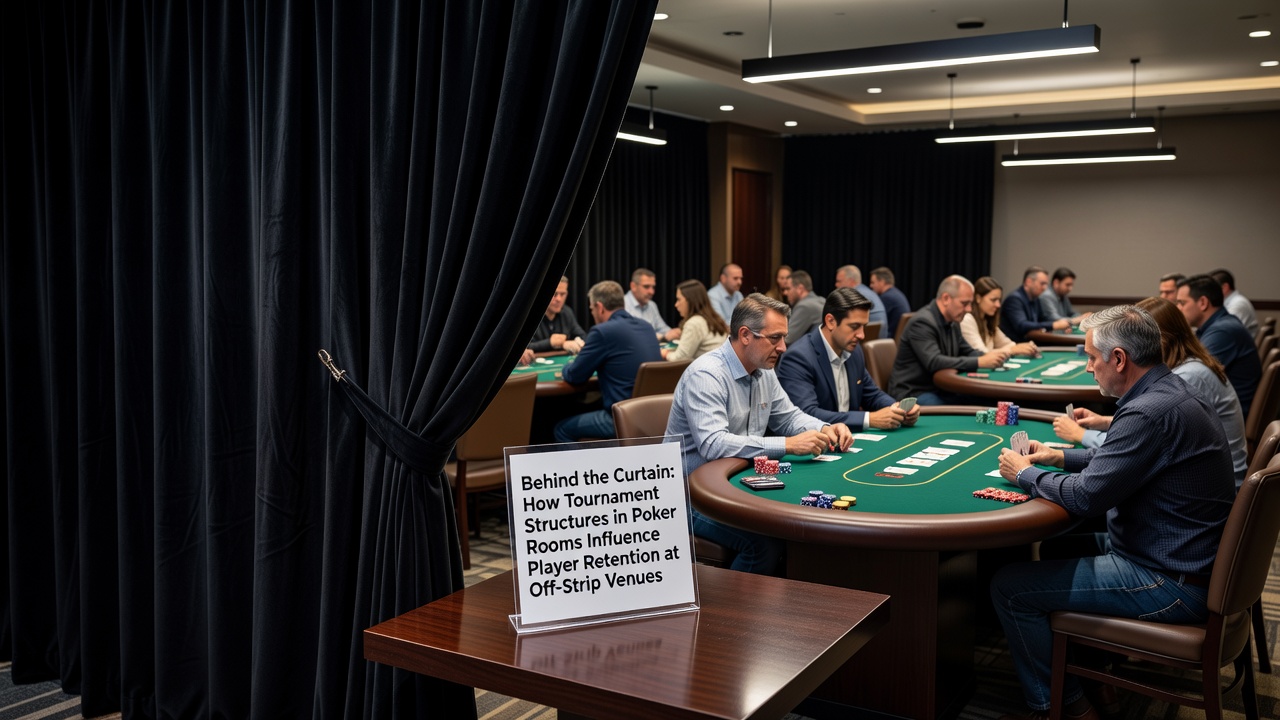
Behind the Curtain: How Tournament Structures in Poker Rooms Influence Player Retention at Off-Strip Venues
Off-strip poker rooms in Las Vegas have long operated with distinct tournament formats that shape how players engage over time, and data from the Nevada Gaming Control Board shows steady participation patterns tied directly to structure choices such as rebuy periods, blind levels, and payout distributions. Observers note that venues like those along Boulder Highway and in Henderson adjust these elements seasonally, with November 2026 schedules featuring more frequent low-stakes events that encourage repeat visits rather than one-off high-roller entries. Researchers tracking retention metrics find correlations between slower blind structures and longer session durations, since players remain seated through additional levels before busting out.
Core Tournament Formats and Their Mechanics
Standard freezeout tournaments limit players to a single buy-in, which creates a fixed field size and predictable elimination timelines, whereas rebuy and add-on formats extend play by allowing additional chips during early stages. Experts at industry research institutions report that off-strip properties favor rebuy structures because they generate higher total prize pools without increasing the initial entry fee, and this approach draws locals who return weekly to capitalize on the extended window. Bounty tournaments add another layer by placing a cash reward on each elimination, which shifts focus toward aggressive play early and keeps tables active longer as participants chase bounties before the final stages.
Blind level progression further differentiates outcomes, since faster structures force quicker decisions and higher variance, while slower increments permit more post-flop maneuvering and skill-based longevity. Data indicates that venues implementing 20-minute blind levels retain a higher percentage of mid-stakes regulars compared with properties using 15-minute jumps, because the latter format increases the frequency of all-in confrontations that end sessions abruptly.
Retention Patterns Across Off-Strip Properties
Player return rates at off-strip rooms often exceed those recorded at Strip locations, according to aggregated figures from the Nevada Gaming Control Board, largely because tournament schedules align with local work patterns and offer consistent daily or weekly events rather than sporadic marquee tournaments. Those who study gaming traffic observe that properties offering satellite qualifiers into larger regional events see elevated loyalty, since participants treat these as stepping stones and schedule multiple visits to accumulate points or tickets. And when structures include deep-stack starting chips, players report fewer early exits, which translates into extended table time and secondary spending on food and drinks during breaks.
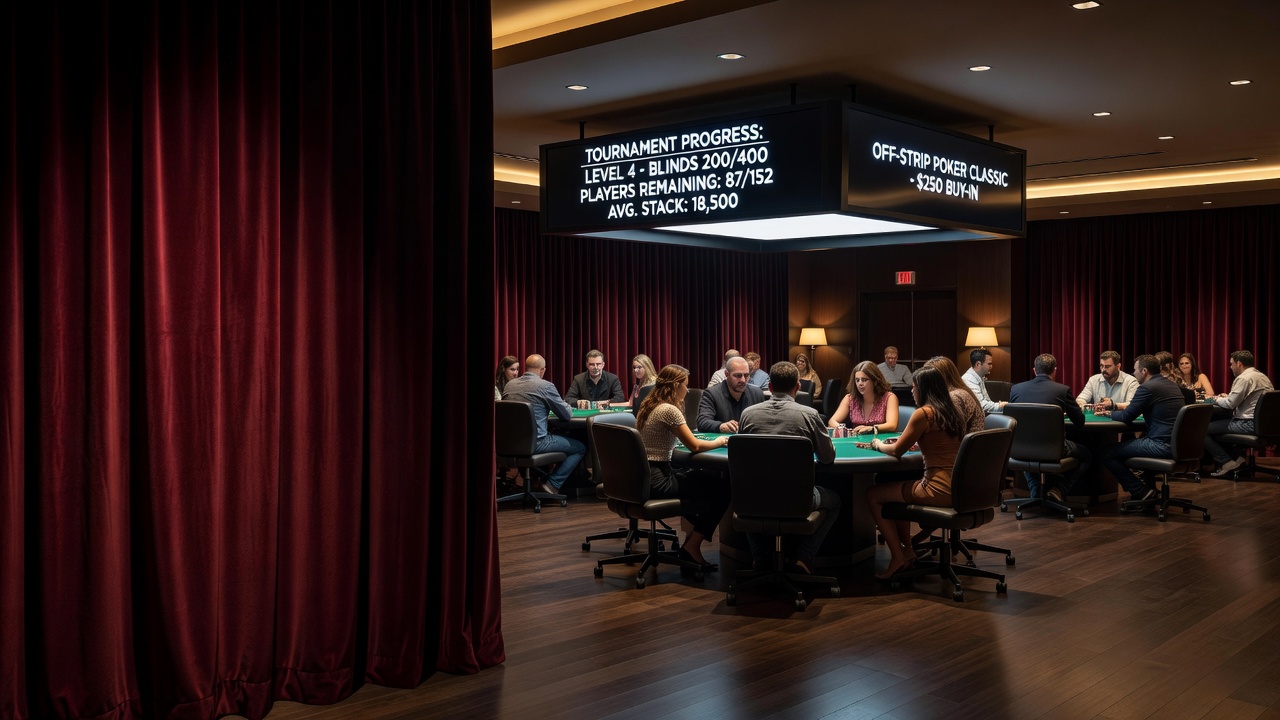
November 2026 calendars at several Henderson and Summerlin-adjacent rooms highlight this trend through added mid-week tournaments with guaranteed prize pools, a move that counters seasonal dips in foot traffic and encourages players to commit to recurring attendance. Retention data compiled by academic groups at western U.S. universities links these guarantees to measurable increases in monthly active users, particularly among recreational players who value the security of a minimum payout over variable overlays.
Comparative Data from Regional Gaming Authorities
Reports issued by the Nevada Gaming Control Board document year-over-year growth in tournament entries at off-strip sites, with structures emphasizing progressive knockouts showing the strongest correlation to repeat registration numbers. Meanwhile, a parallel study released through Canadian gaming oversight bodies notes similar retention lifts when venues adopt hybrid formats that blend rebuy and bounty elements, suggesting the pattern extends beyond Nevada borders. Those reviewing cross-border figures find that slower structures and deeper starting stacks consistently outperform turbo variants in sustaining long-term engagement, because the latter format compresses play into shorter windows that discourage follow-up visits the same week.
Industry organizations such as the American Gaming Association have compiled case examples where off-strip rooms adjusted payout percentages upward in lower tiers, resulting in broader winner distributions that keep more participants returning for subsequent events. This approach avoids concentrating prizes among a small top tier and instead spreads motivation across the field, which data shows sustains interest even among players eliminated mid-tournament.
Conclusion
Tournament structures at off-strip Las Vegas poker rooms directly shape retention through measurable variables including blind speed, rebuy availability, bounty incentives, and payout allocation, with November 2026 schedules reflecting ongoing refinements based on these factors. Regulatory reports from the Nevada Gaming Control Board and complementary research from international gaming bodies confirm that venues prioritizing extended play windows and accessible guarantees maintain higher repeat participation rates, while faster formats tend to cycle players through quicker but less frequent engagements. Those monitoring these dynamics continue to track how incremental adjustments influence both session length and long-term attendance patterns across the local market.